
Notes from Michael Boumendil, Partner, on Moody’s Ratings’ Advisory Roundtable, held on 19 October 2026.
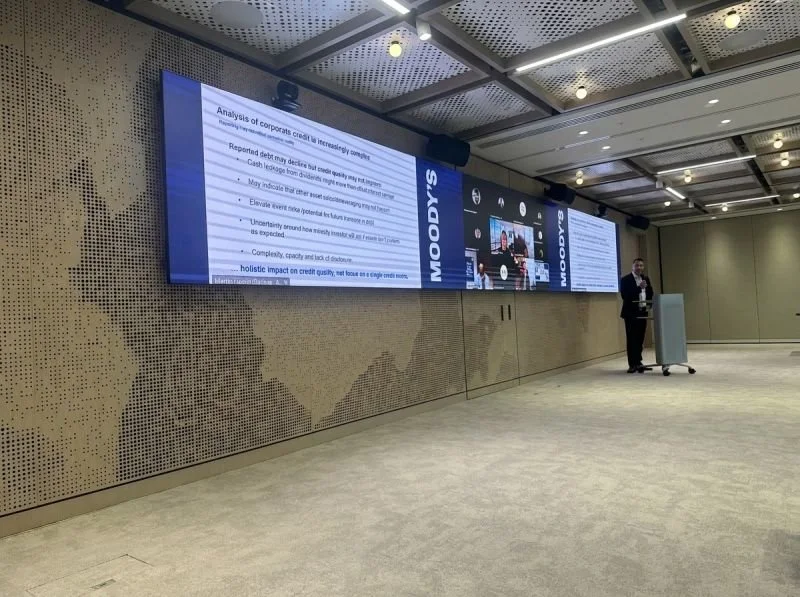
Our thanks to the senior Moody’s analysts – Sven Reinke, Jessica Gladstone, Stan Duquesnoy and Martin Fujerik – for an open and useful discussion of two topics that come up in almost every rating conversation with corporate issuers: structured equity, and gross versus net debt. Here is what CFOs, treasurers and investors need to know.
Structured equity: a third kind of capital, with a debt test
Private credit investors are increasingly buying minority stakes in joint ventures that hold the assets of investment-grade corporates. Moody’s said it reviews dozens of these transactions every month, each one bespoke, but only one or two make it to market. Accounting and rating treatment are often what stops the rest.
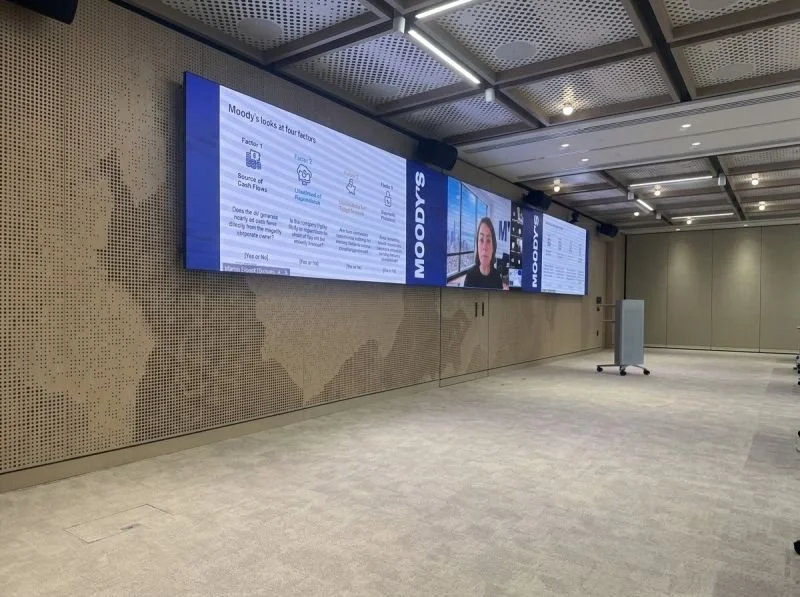
Moody’s asks four questions of each structure:
Source of cash flows. Does the joint venture earn nearly all of its cash flow from the parent?
Likelihood of repurchase. Is a buyback of the investor’s stake highly likely?
Mechanisms for target returns. Are the investor’s target returns contractually locked in?
Downside protection. Is the investor protected from downside risk?
Two or more “yes” answers generally means the investor’s stake is added to debt. Even when the deal is treated as equity, Moody’s will usually deduct the investor’s dividends from EBITDA and operating cash flow.
Features to watch: residual value guarantees, top-up payments, dividend priority, and deals where the corporate keeps the minority stake and guarantees a certain return to investors.
Gross versus net leverage: myth-busting, not a methodology change
The gross debt to EBITDA ratio still anchors the scorecards, but rating committees look at gross and net leverage side by side, especially in the context of a company’s financial policy and liquidity management.
For most companies the gap between gross and net leverage is small: 0.5x or less for over half of the roughly 2,900 rated companies, and under 1.0x for about three-quarters. Net leverage typically carries more weight for investment-grade corporates.
Cash and strong liquidity can support rating stability through stress. thyssenkrupp (Ba3, stable) is at 9.0x gross and 4.6x net leverage, against a 5.0x gross downgrade trigger.
Every methodology includes an “Excess Cash Balances” section. How much credit cash receives depends on whether it is above operating needs, accessible, durable, and backed by a predictable financial policy.
What it means for issuers
For a corporate weighing structured equity, the four questions are the test to run before the term sheet is agreed, not after: a structure that fails two of them will be treated as debt, and even one that passes will cost EBITDA. On leverage, cash only earns credit when the agencies can see that it is surplus to operating needs, accessible and durable, which makes a clear and consistent financial policy as valuable to the rating as the cash itself.
If you are considering a structured equity transaction, or want a view on how the agencies will treat your cash and leverage, we would be glad to talk it through. Arrange a free, strictly confidential initial consultation via our contact page.